
SEYI Presses: Understanding the Difference Between Gap Frame Mechanical and Servo Press Lines
In today’s metal stamping industry, manufacturers are under constant pressure to increase throughput, improve part quality, reduce scrap, and stay competitive in demanding markets like aerospace, automotive, appliance manufacturing, and precision fabrication. Choosing the right press technology plays a major role in achieving those goals.
Among global press manufacturers, SEYI Machinery has built a strong reputation for producing high-performance stamping presses that combine durability, precision, and advanced automation technology. From traditional mechanical gap frame presses to advanced servo-driven systems, SEYI offers solutions designed for both high-volume production and complex forming applications.
What Is a Gap Frame Mechanical Press?
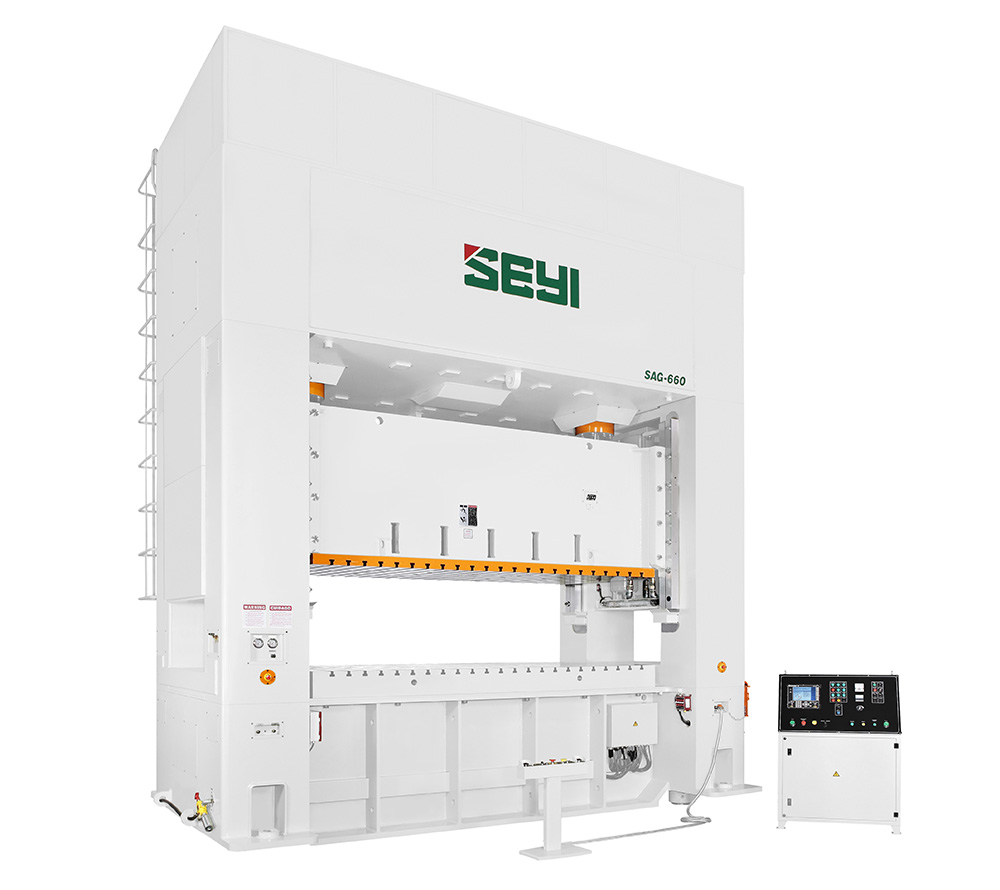
A gap frame press — often called a C-frame press — is designed with an open-front frame that allows easier access to the die area from multiple sides. These presses are widely used for:
- Blanking
- Piercing
- Forming
- Light drawing applications
- Short- to medium-run production
SEYI’s mechanical gap frame presses are engineered for speed, repeatability, and long-term durability. Their open-frame design makes die setup and material handling easier, especially in shops where flexibility and floor space matter.
Advantages of Gap Frame Mechanical Presses
Faster Production Speeds
Mechanical presses excel in high-speed stamping environments. They are ideal for repetitive operations where cycle times are critical.
Lower Initial Investment
Compared to servo systems, mechanical presses typically have a lower upfront cost, making them attractive for shops looking to maximize production without major capital investment.
Proven Reliability
Mechanical press technology has been refined for decades. SEYI’s designs focus on rigid frames, precision slide guidance, and durable drive systems that hold up under continuous production.
Easier Maintenance
Traditional mechanical systems are familiar to most maintenance teams and often involve simpler servicing procedures compared to advanced electronic servo systems.
What Is a Servo Press?
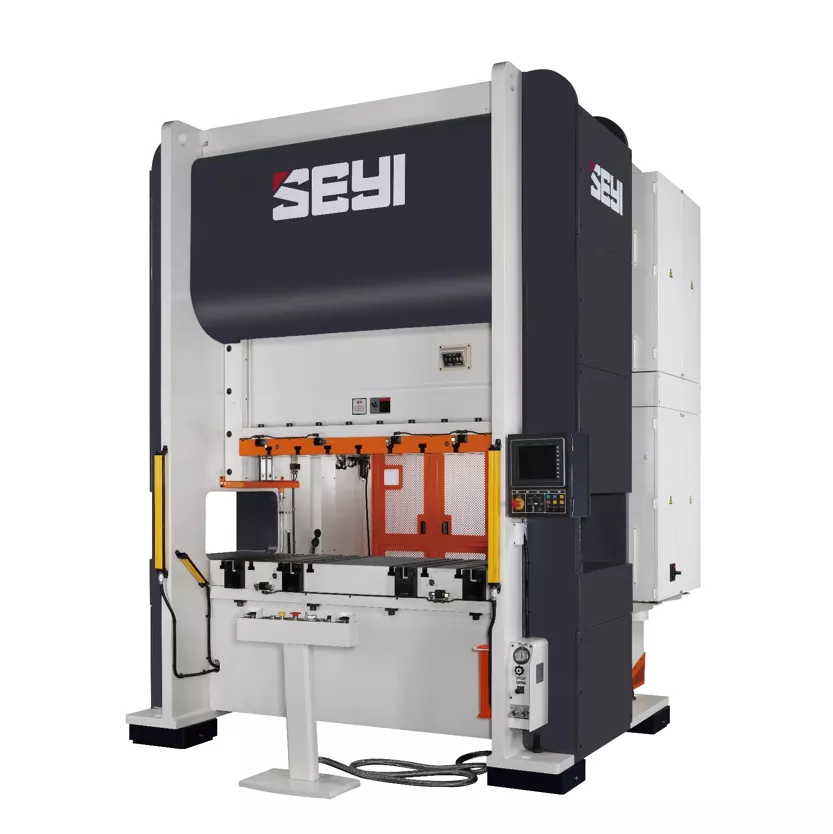
Servo presses replace the traditional flywheel and clutch system with a programmable servo motor. This allows operators to fully control slide motion, speed, dwell, and forming profiles throughout the stroke.
SEYI’s servo press lineup includes advanced models like the SDG, SDE, and SD Series, which are designed for manufacturers requiring greater flexibility and precision in difficult forming applications.
The Biggest Difference: Motion Control
The true advantage of a servo press lies in programmable motion control.
Unlike conventional mechanical presses that run at a fixed motion profile, servo presses allow manufacturers to:
- Slow the slide during forming
- Add dwell time at the bottom of the stroke
- Program multiple motion profiles
- Optimize speed for specific materials
- Reduce snap-through shock
- Improve forming consistency
This flexibility makes servo technology ideal for:
- High-strength materials
- Deep drawing
- Complex geometries
- Precision forming
- Progressive die applications
Why SEYI Servo Presses Stand Out
Many manufacturers now offer servo technology, but SEYI has separated itself through engineering, energy efficiency, and operator-focused features.
Direct Drive Servo Technology
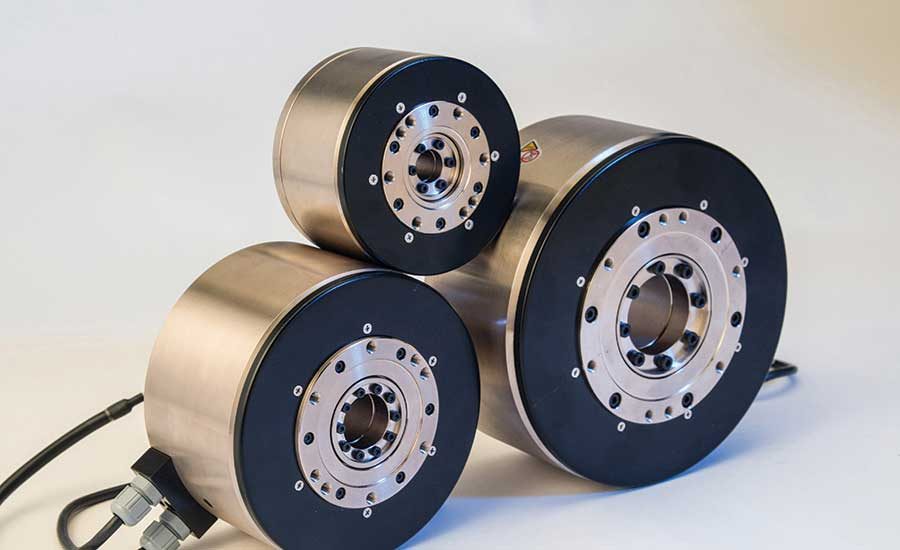
SEYI servo presses use direct-drive systems designed specifically for metal forming applications. This eliminates many of the mechanical losses associated with traditional gearing systems.
Benefits include:
- Higher torque at lower speeds
- Improved forming control
- Reduced mechanical wear
- Better energy efficiency
Energy Savings
One major advantage of SEYI servo presses is reduced power consumption.
According to industry reports, SEYI servo systems can reduce energy consumption by up to:
- 50% compared to traditional mechanical presses
- 75% compared to hydraulic presses
For manufacturers running multi-shift operations, these energy savings can significantly reduce operating costs over time.
Improved Part Quality
Servo motion control allows operators to slow down the working portion of the stroke, which helps:
- Reduce material tearing
- Minimize springback
- Improve dimensional consistency
- Reduce defects
Real-world case studies from manufacturers using SEYI servo presses have shown dramatic reductions in scrap rates and improved consistency on difficult parts.
Extended Die Life
Because servo presses reduce impact shock and allow smoother forming, tooling experiences less stress during production.
Some manufacturers reported die life improvements of up to 3x when switching from traditional mechanical presses to SEYI servo systems.
That means:
- Fewer sharpenings
- Less downtime
- Lower tooling costs
- Increased production uptime
Smart Controls and Automation
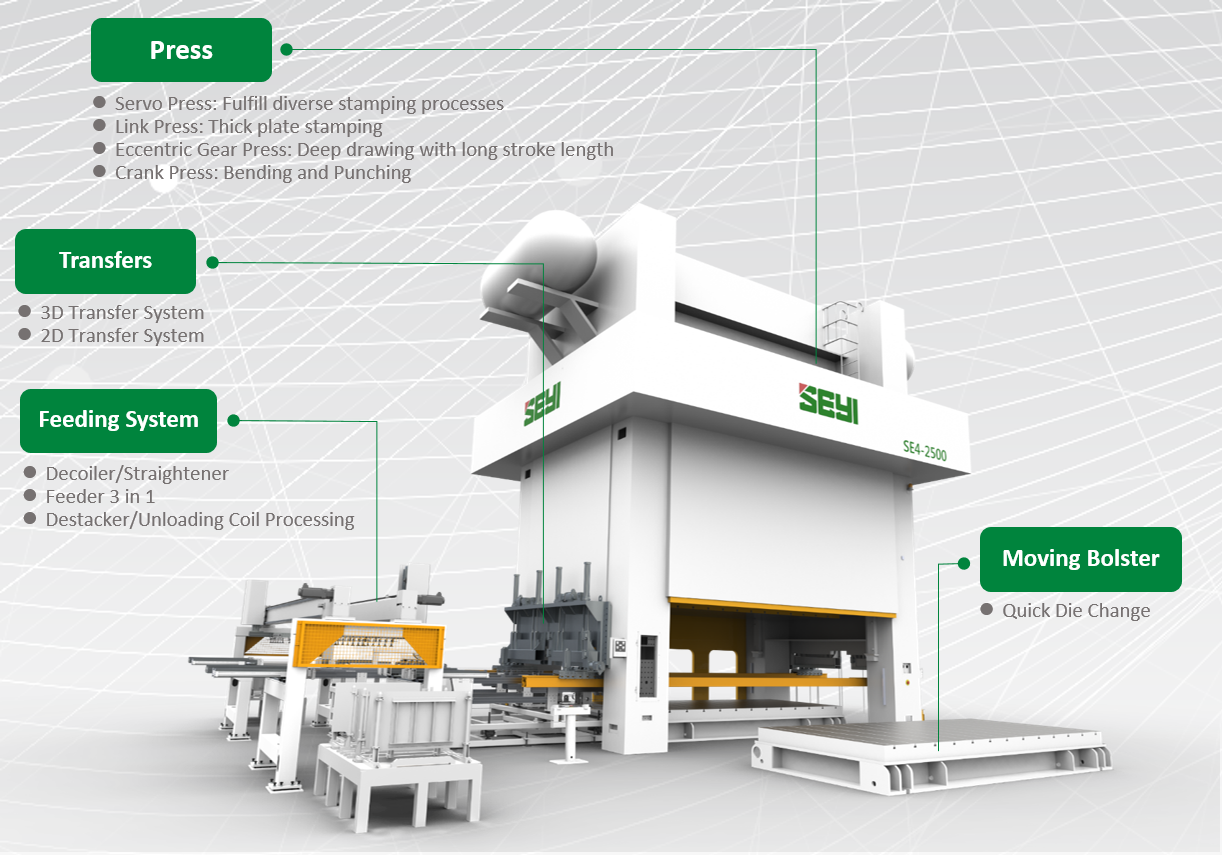
SEYI servo presses feature advanced programmable controls with:
- Multiple stroke profiles
- Job memory storage
- Die protection monitoring
- Programmable timing functions
- User-friendly HMI systems
Many SEYI servo systems also include:
- 200-job memory storage
- Freeform motion programming
- Electronic overload protection
- Precision slide guidance systems
This allows operators to dramatically reduce setup times while improving repeatability between production runs.
Mechanical vs Servo: Which Press Is Right for You?
Mechanical Presses Are Best For:
- High-speed blanking
- Simpler stamping operations
- Budget-conscious production
- Consistent high-volume jobs
- Shops wanting proven conventional technology
Servo Presses Are Best For:
- Complex formed parts
- High-strength materials
- Tight-tolerance applications
- Reduced scrap goals
- Advanced automation environments
- Shops looking to future-proof production
Why Manufacturers Choose SEYI
SEYI has become one of the world’s leading stamping press manufacturers by focusing on:
- High-rigidity frame construction
- Advanced servo technology
- Energy-efficient systems
- Precision engineering
- Global support and service
- Smart factory integration
Their press lineup covers everything from compact gap frame machines to large straight-side servo systems capable of handling demanding production environments across multiple industries.
For manufacturers looking to improve productivity while reducing downtime and operating costs, SEYI provides a strong balance between advanced technology and long-term reliability.
Looking Ahead: The Future of Stamping Technology
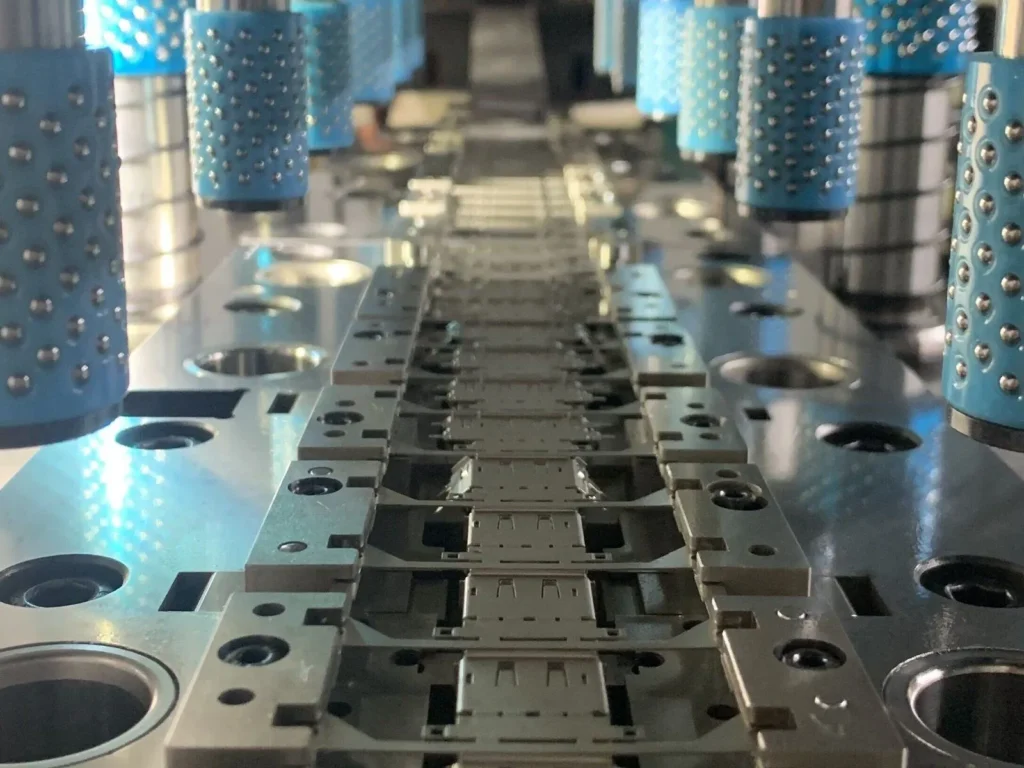
As manufacturing continues moving toward automation, energy efficiency, and precision forming, servo press technology is becoming increasingly important.
While traditional mechanical presses still play a major role in production stamping, servo systems offer advantages that are difficult to ignore:
- Lower energy use
- Better forming flexibility
- Improved quality
- Reduced scrap
- Longer tooling life
- Faster setup changes
SEYI’s continued investment in servo innovation positions them as a major player in the future of metal forming technology.
Whether your shop needs a reliable mechanical gap frame press or a fully programmable servo solution, SEYI offers stamping systems designed to compete in modern manufacturing environments.